Inspiration
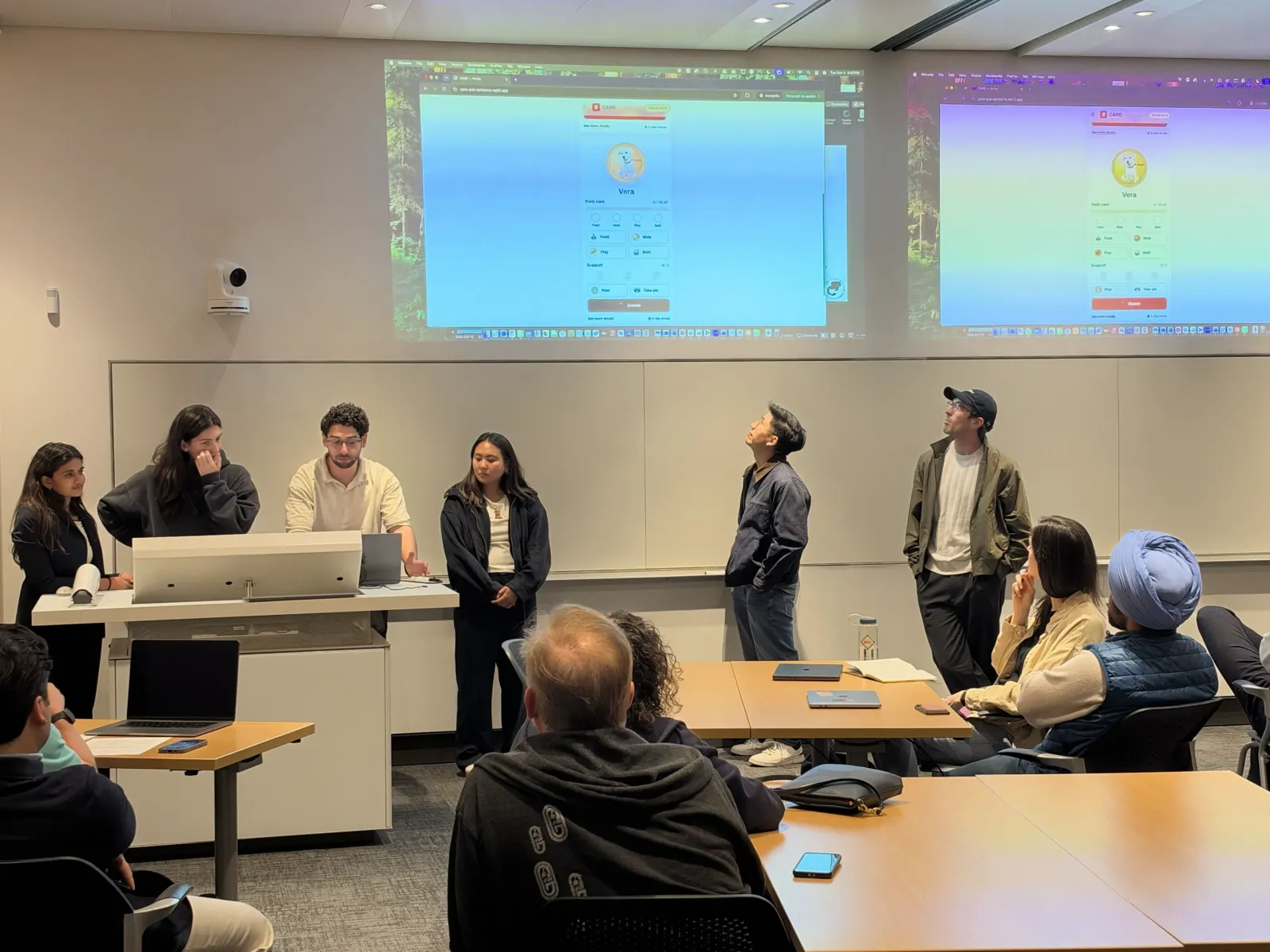
The Kellogg Fall Hackathon asked each team to help a business or club solve one real problem by building a working app on Replit, with five minutes to demo it at the end. My team of six was paired with C.A.R.E., a volunteer-run animal shelter in Skokie. When we talked with them, they said one of their main problems was marketing and that they wanted to reach more people. Part of what makes that hard is that the shelter is only open to the public nine hours a month, on three Saturdays from noon to three, with visits by appointment the rest of the time, so it is difficult for people to come and meet the animals.
We decided to build a way for people to get to know the pets from home, in the hope that some of them would then want to visit.
What it is
The app is a virtual pet game built on the shelter's real animals. It starts with a 14-question quiz about your life and pace and then suggests dogs and cats at the shelter who might be a good fit. You can also browse every animal the shelter lists, filter by species, age, and traits, and read each one's bio. You can pick up to four pets, and they move into your digital home.
After that it plays like a pet game. You feed, walk, bathe, and play with your pet, and each of those is a mini game that earns XP toward a daily goal. If you care for the same pet several days in a row, its token changes from gold to shiny gold, then to platinum at ten days, holographic at thirty, and legendary at fifty, and it goes back to gold if you break the streak. There are also stamps to collect, an awards page, and a leaderboard ranked by lifetime care XP. When a pet gets adopted it moves to a pasture so that the people who looked after it can still see it.
The app below is the one we presented, running live on Replit. You can use it as a guest without signing in.

We wanted the game to lead to people meeting the animals in person, so visiting your pet at the shelter earns more than anything else in the game.
How we built it
We spent the first part of the week talking with the shelter about their problems and brainstorming ideas around the limited hours. We wanted the result to be fun enough that people would keep coming back to it, and we liked that the animals in it are ones who are really waiting for a home.
From there we storyboarded how the app should flow, from the quiz to the match to the daily routine to the visit, and worked out the designs for the screens. We had about five days and six people, so everyone took on a part of the app, including the quiz and matching, the designs, the home and care screens, the rewards, the mini games, and the pet art, and we brought it all together in one Replit app before the deadline.
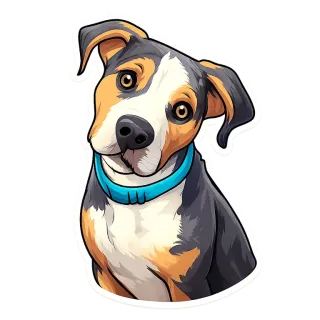
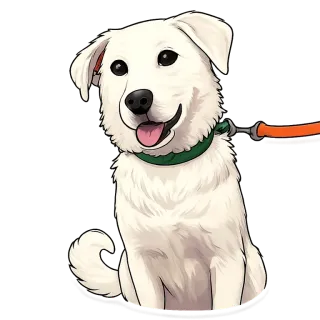
The app reads the same public feed that the shelter's own website uses, so it shows the animals that are currently up for adoption. An image model redraws each shelter photo as a cartoon sticker, using the photo as a reference so that the markings match the real animal, and that sticker is the character you see in the mini games.
The hardest problem
The hardest part was the visit bonus. You earn it by going to see your pet at the shelter and taking its picture, so the app has to decide whether a phone photo shows that specific animal, which is tricky when many of the shelter's pets look alike.
To check, a vision model gets the shelter's photos of your pet, up to three lookalikes from the same shelter as decoys, and your photo last. It has to say whether your photo shows the target, one of the decoys, or neither, and it rejects photos of screens, drawings, and copies of the shelter's own pictures. I calibrated it on 1 Nov 2026 by holding one photo of each pet out of the reference set, and across six dogs and six cats it got all 24 checks right (12 same-animal and 12 closest-lookalike). We also ran the check live in front of the judges at the final demo, and it worked.
Twelve pets is a small sample, and cats are harder than dogs because most of the cats at this shelter are brown tabbies. The lowest correct match scored 0.55 against a threshold of 0.50, so for cats the app asks you to get the kennel card in the frame.
What I valued most about this project was how we approached it. We began by asking the shelter about their problems, brainstormed around what we heard, and tried to build something fun that people would want to use. Everyone on the team took on a part of the app and we pulled it together in about five days. We also had a lot of fun doing it.